한국 전통 뷰티 성분 백과사전
Ingredient Encyclopedia
Discover the Ingredients Behind Korean Beauty Traditions
한국 전통 뷰티의 원료와 현대 피부 과학을 만나보세요.
Korean heritage ingredient · Modern cosmetic ingredient
This classification records the context the ingredient is documented in, not where it comes from: a Korean heritage ingredient is one with documented use in Korean practice, while a modern cosmetic ingredient carries no heritage claim. Neither label states that the ingredient originated in Korea.
Category
Skin concern
Ingredients shown: 44 / 44
Korean heritage ingredient
26 Ingredients shown
Grain
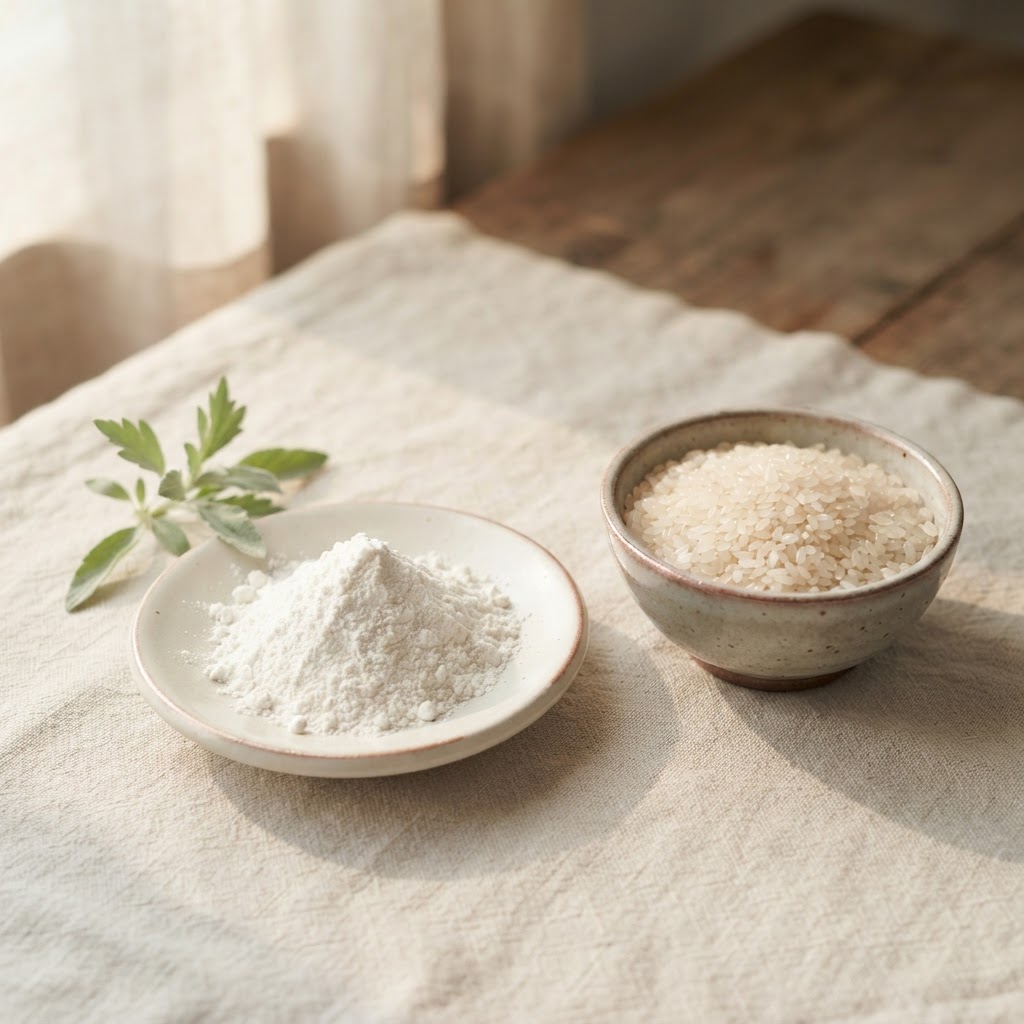
쌀ssal
Rice
INCI name: Oryza Sativa (Rice) Extract
The grain at the centre of Korean daily life, and the source of rice-derived cosmetic ingredients.
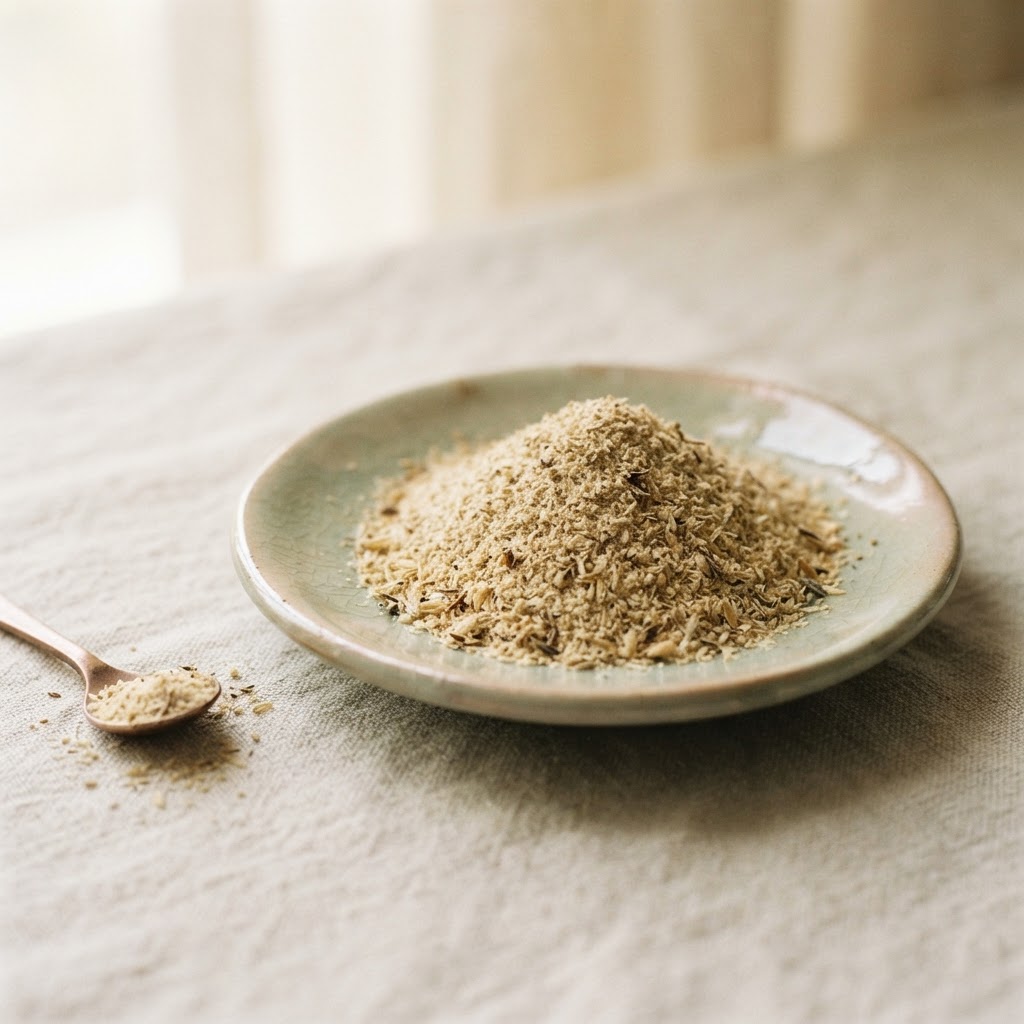
쌀겨ssalgyeo
Rice Bran
INCI name: Oryza Sativa (Rice) Bran Extract
The layer around the rice grain, and the source of rice bran oil and rice bran extract.
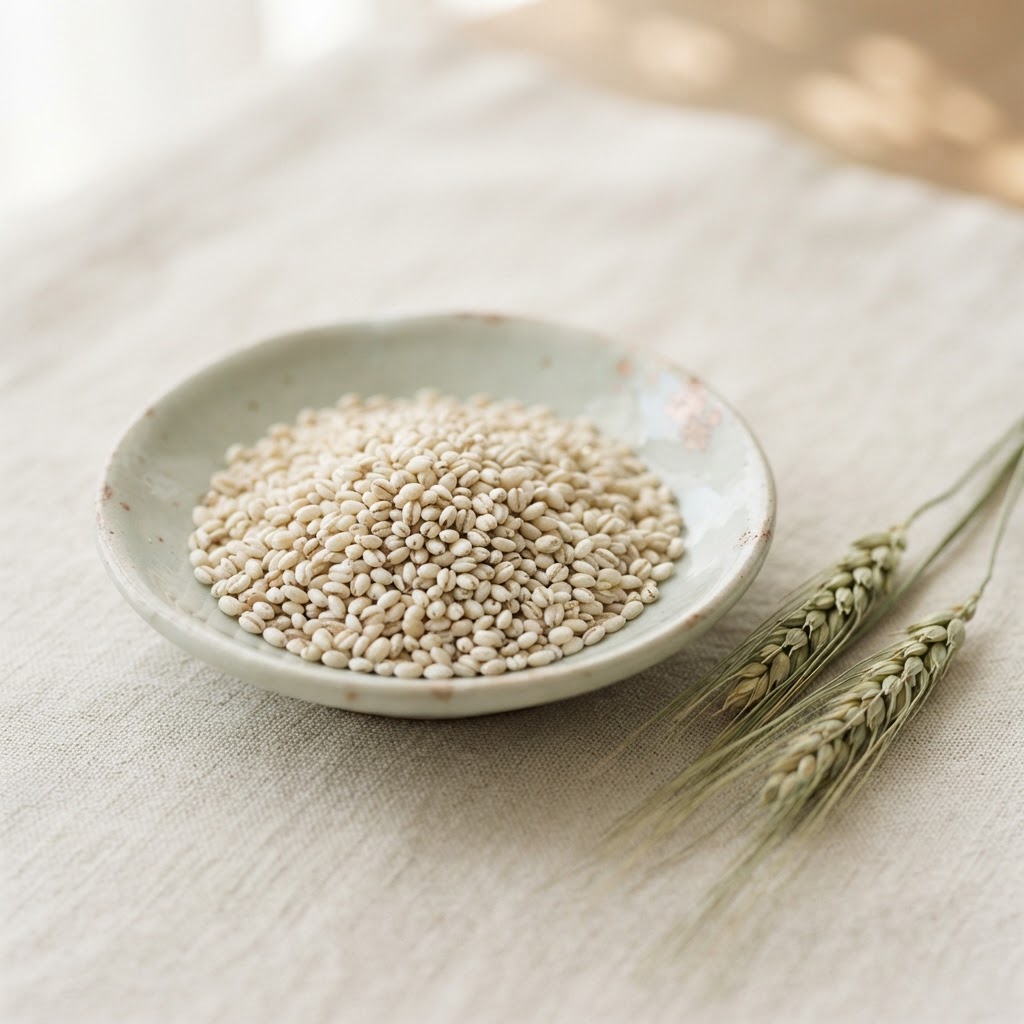
보리bori
Barley
INCI name: Hordeum Vulgare Extract
The grain of Korean agriculture and everyday cooking, and a source of barley-derived cosmetic ingredients.
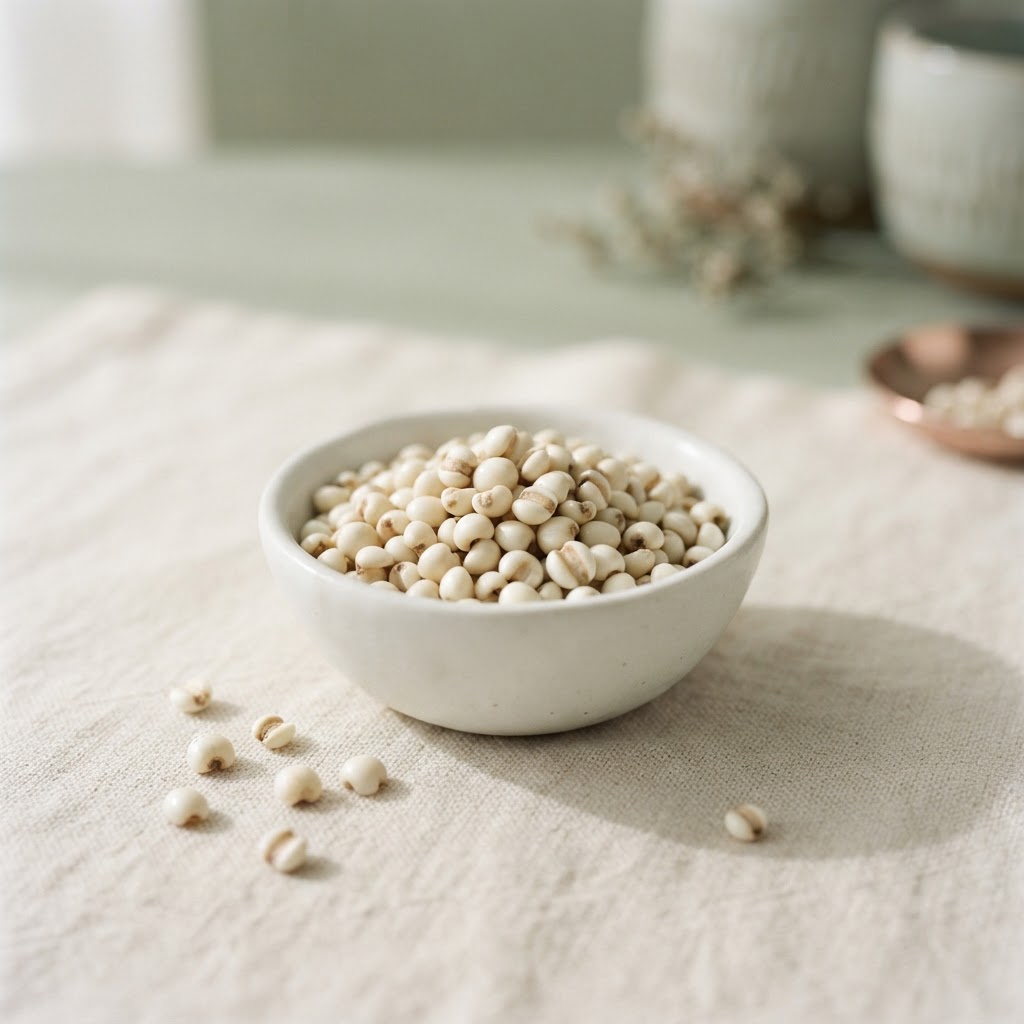
율무yulmu
Job's Tears
INCI name: Coix Lacryma-Jobi Ma-Yuen Seed Extract
The bead-like grain used in East Asian food and herbal traditions, and in some skincare products.
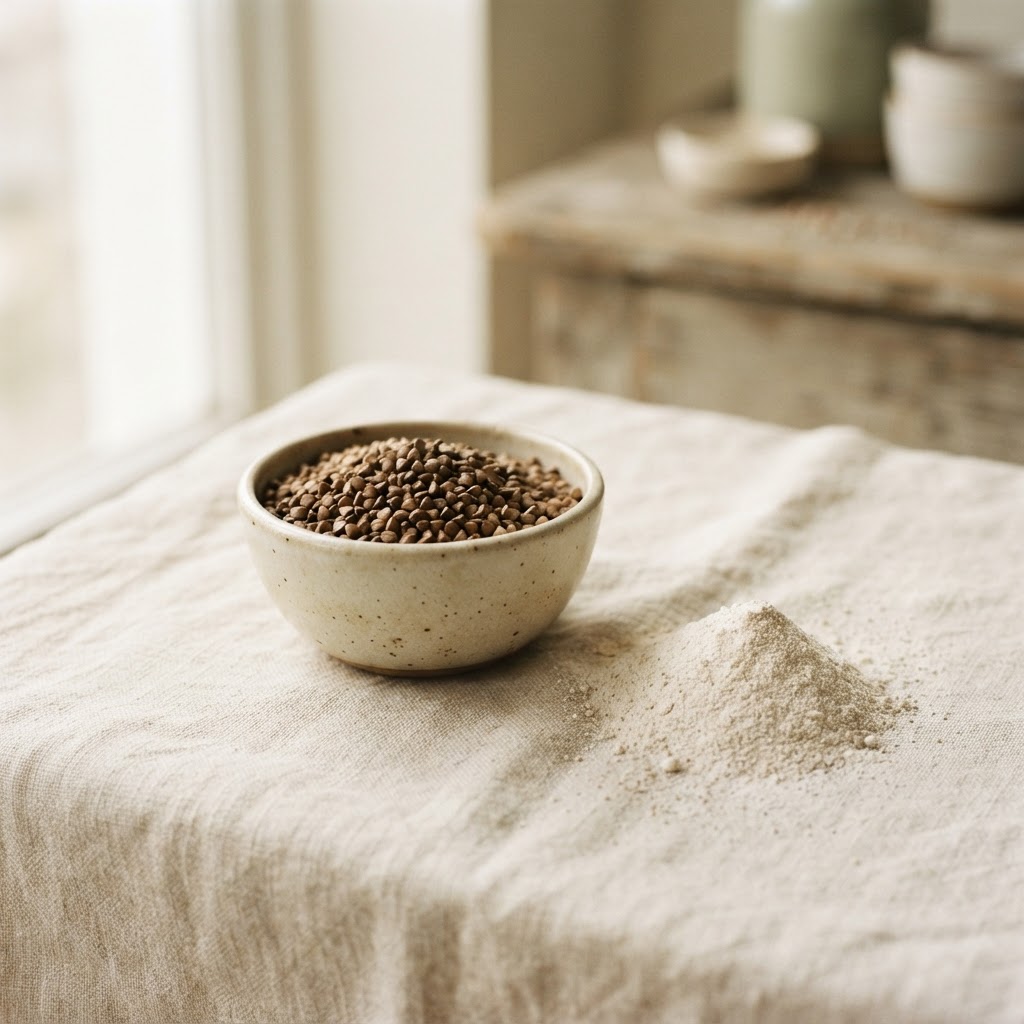
메밀memil
Buckwheat
INCI name: Fagopyrum Esculentum Seed Extract
A Korean grain used in food and traditionally in household bedding, whose rutin content is investigated, included for its documented cultural place rather than for a proven cosmetic effect.
Legume
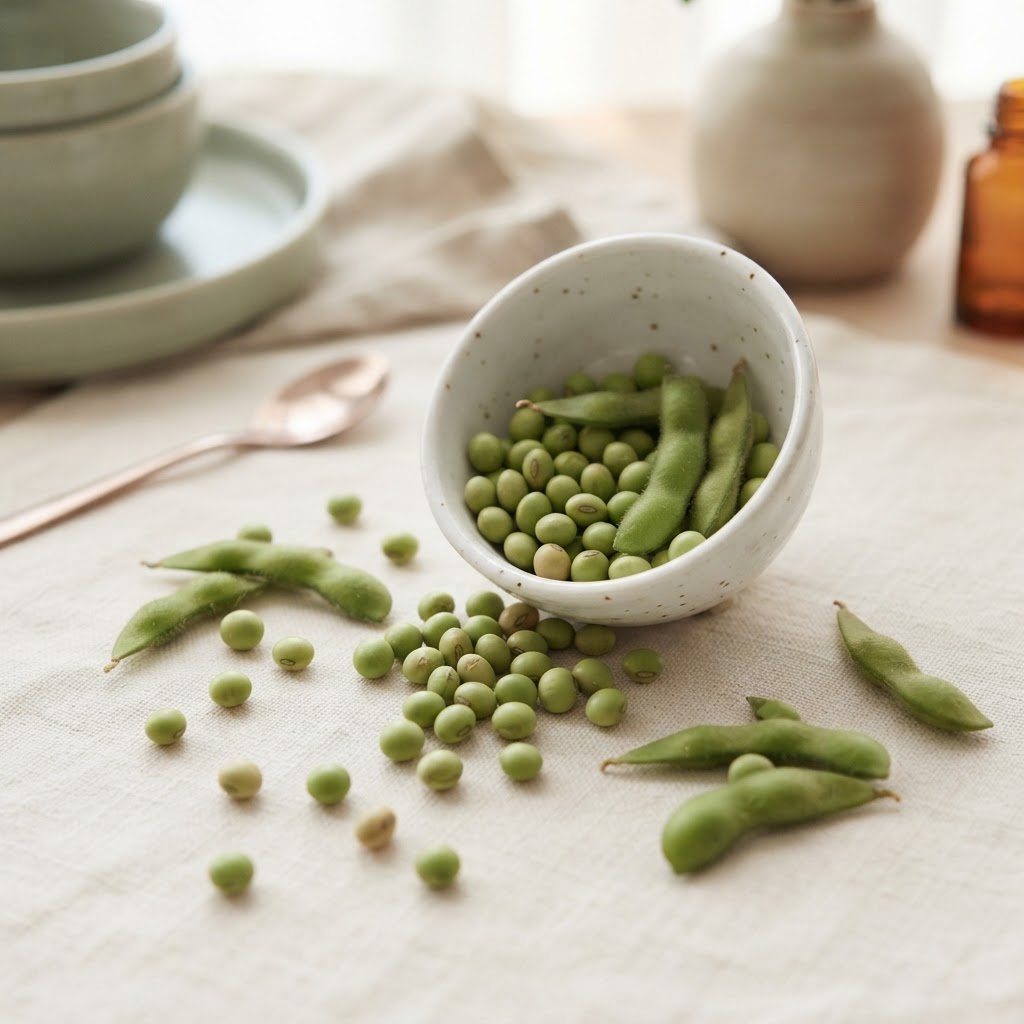
콩kong
Soybean
INCI name: Glycine Max (Soybean) Seed Extract
The legume at the centre of Korean food culture, and the source of soy-derived cosmetic ingredients.
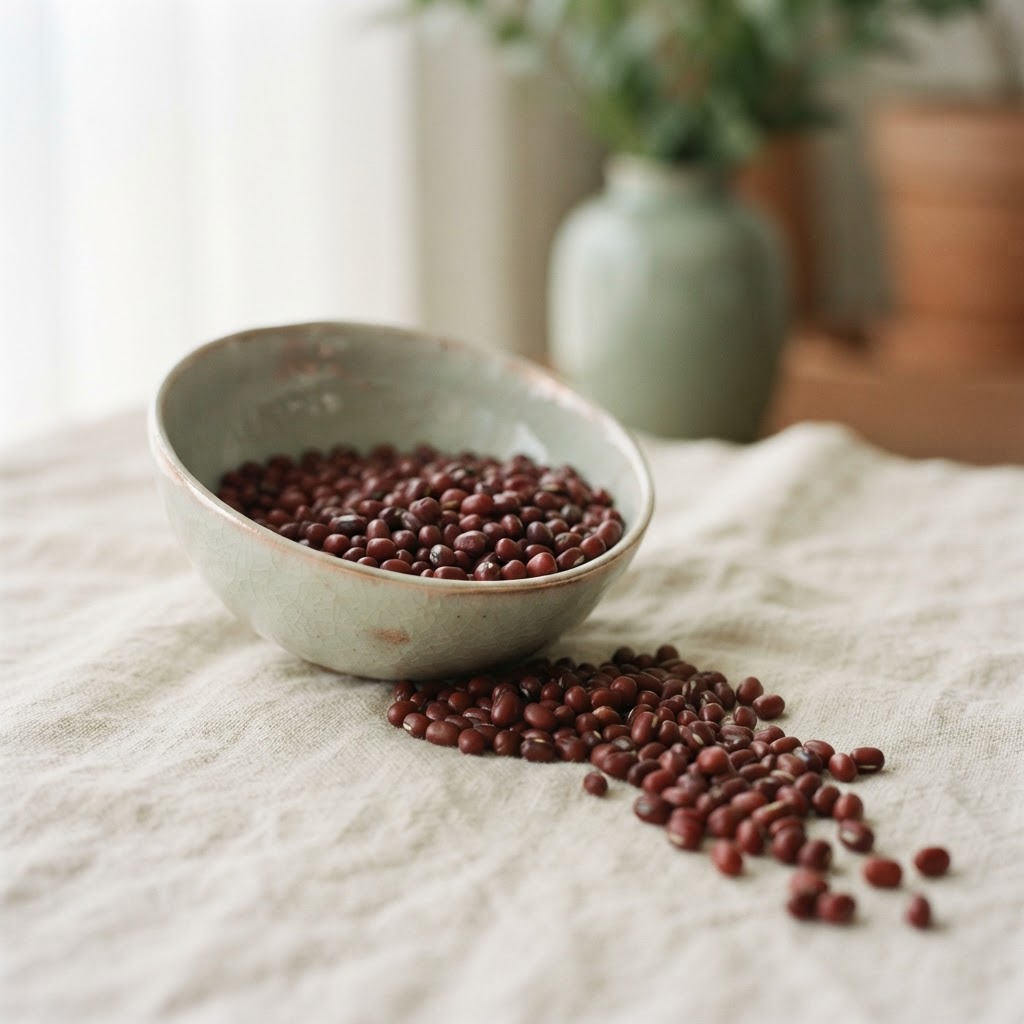
팥pat
Red Bean
INCI name: Phaseolus Angularis Seed Extract
The small red bean of Korean food culture, and a source of cleansing and exfoliating ingredients.
Herb
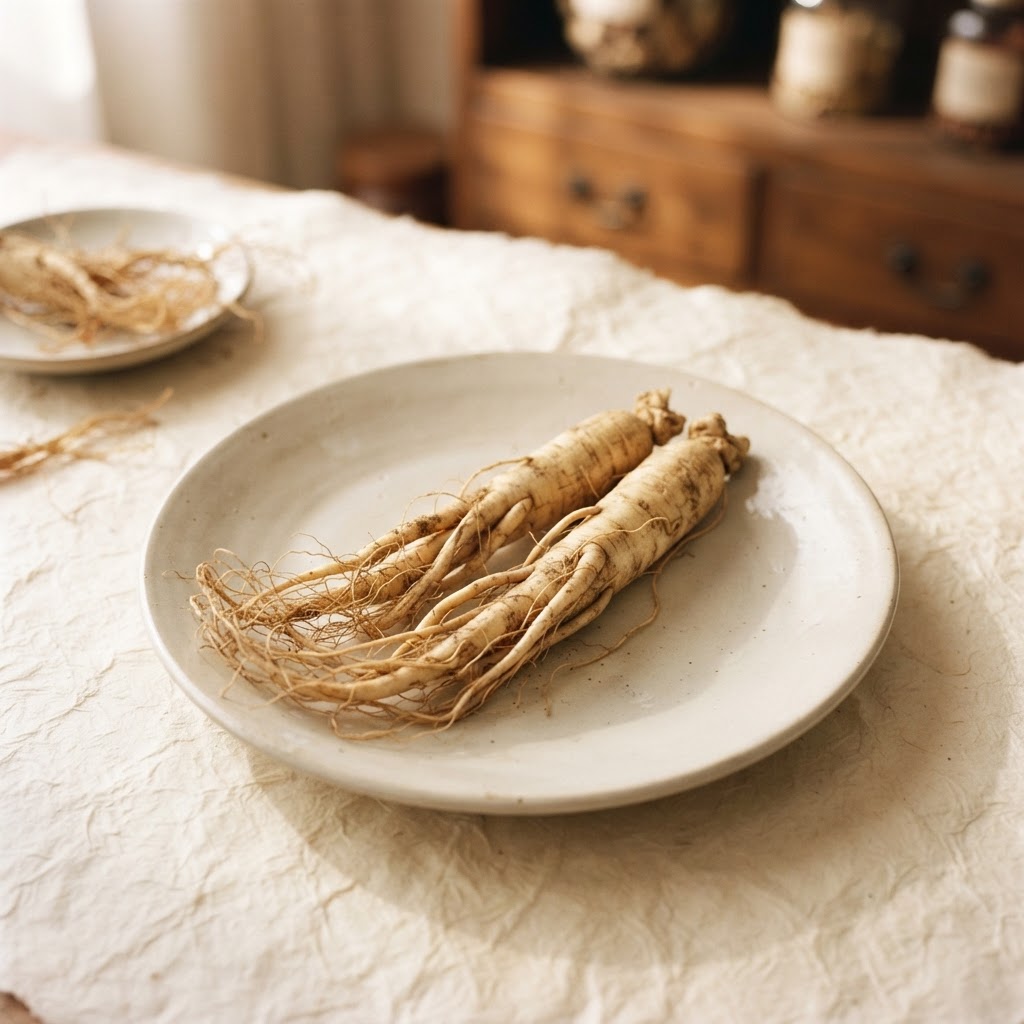
인삼insam
Korean Ginseng
INCI name: Panax Ginseng Root Extract
The root herb at the centre of Korean herbal tradition, and a studied cosmetic ingredient.
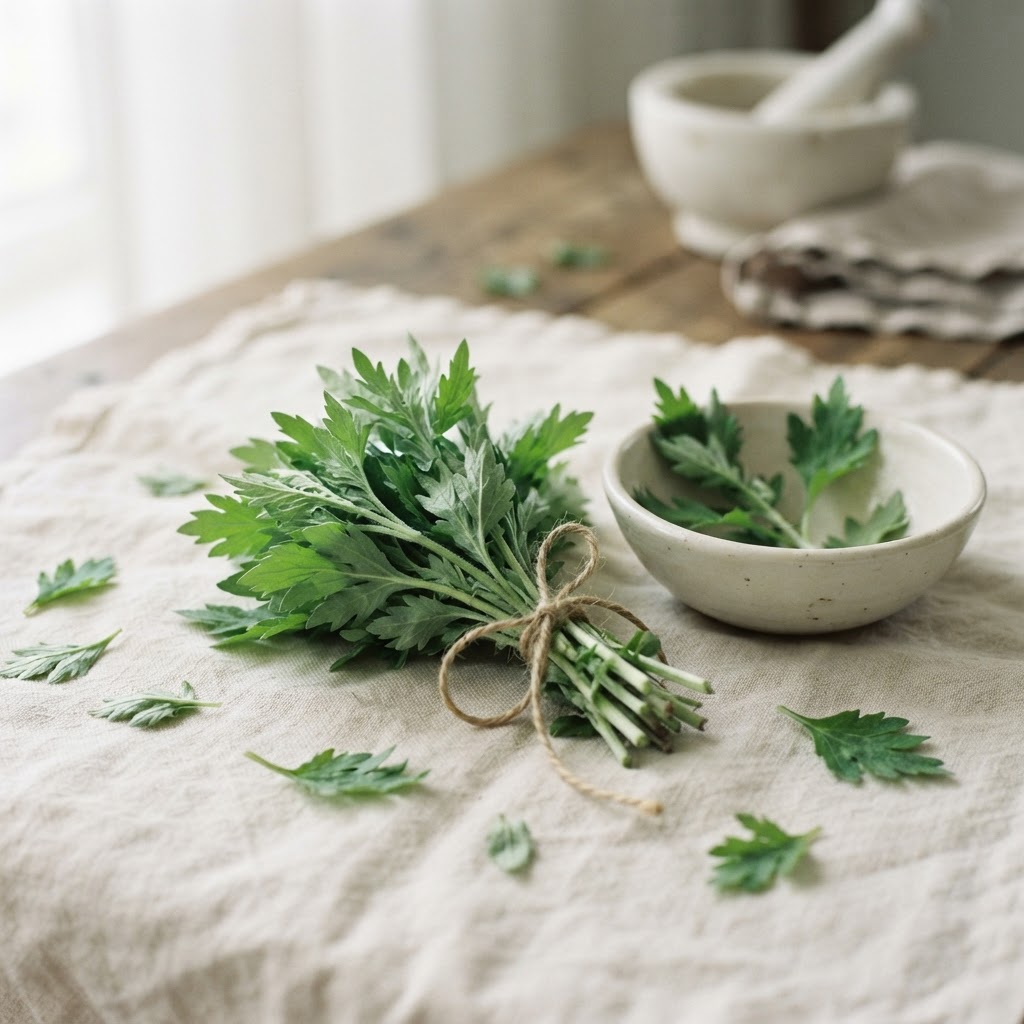
쑥ssuk
Korean Mugwort
INCI name: Artemisia Princeps Leaf Extract
A Korean herb associated with food and household care, and used in selected cosmetic extracts.
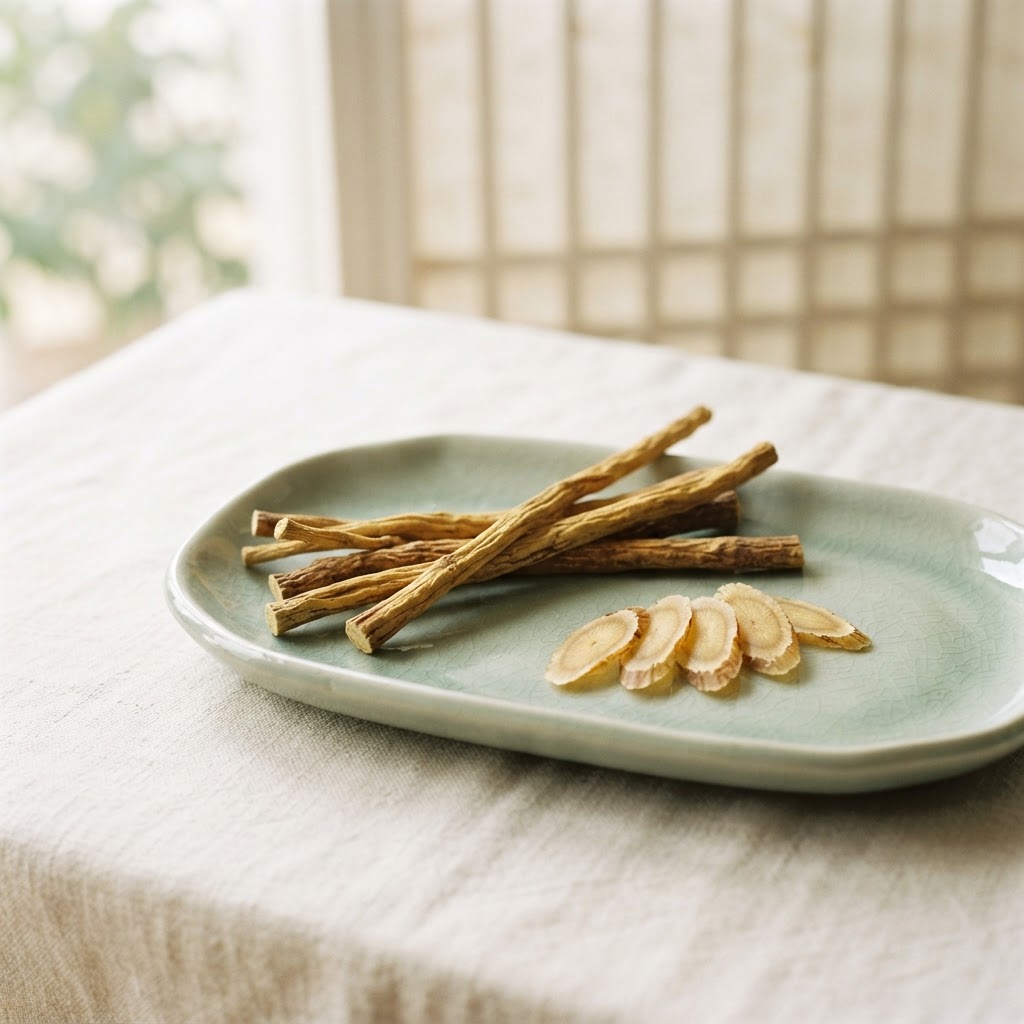
감초gamcho
Licorice Root
INCI name: Glycyrrhiza Glabra (Licorice) Root Extract
The root used in Korean herbal medicine, and the source of licorice-derived cosmetic ingredients.
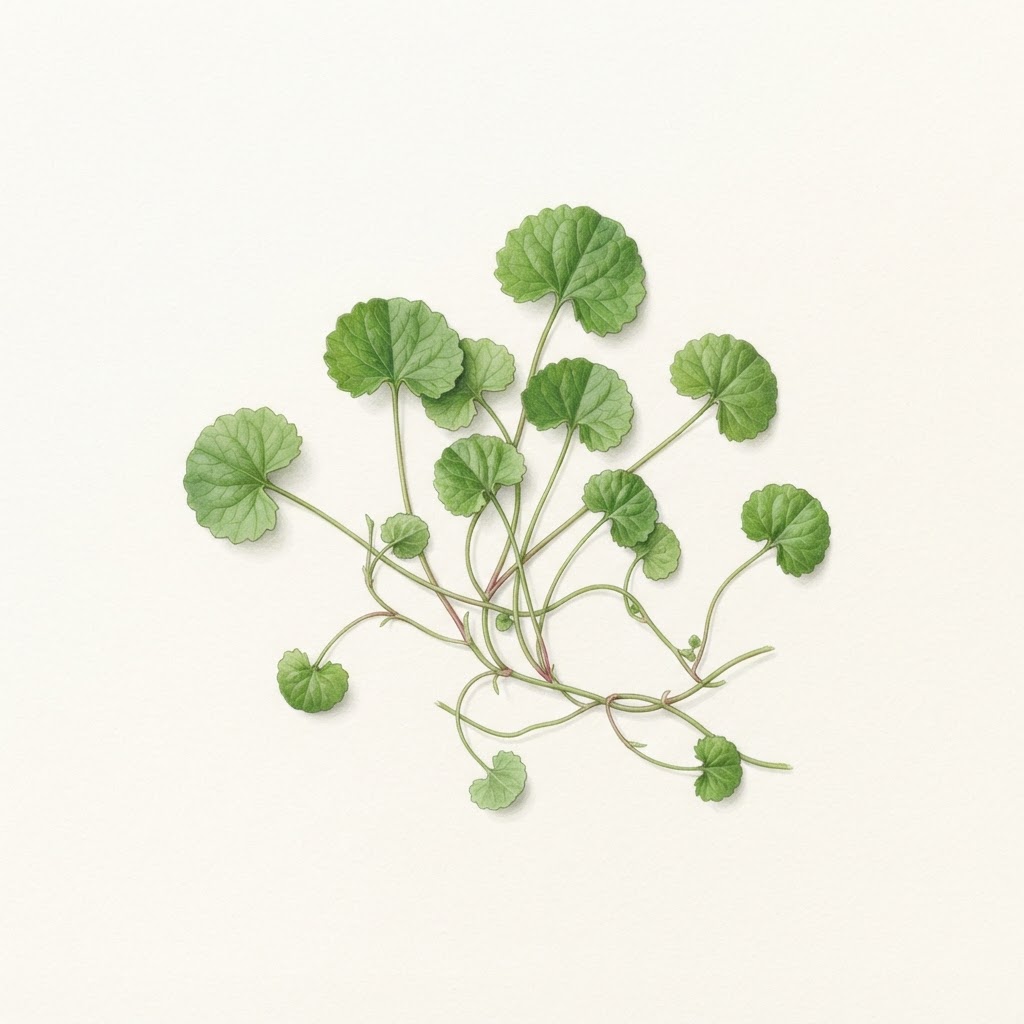
병풀byeongpul
Centella Asiatica
INCI name: Centella Asiatica Extract
A soothing herb recorded in Korean herbal practice, and one of the most familiar calming botanicals in Korean skincare formulation.
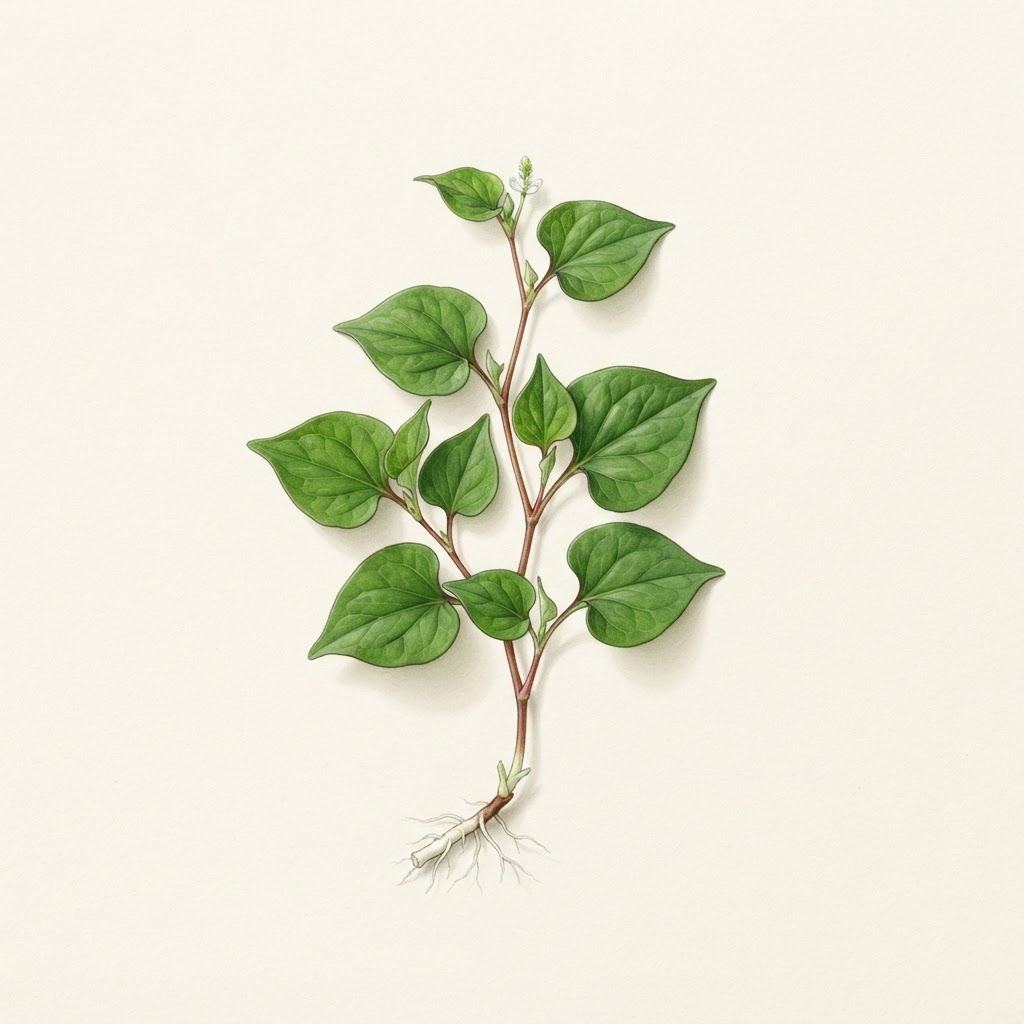
어성초eoseongcho
Houttuynia Cordata
INCI name: Houttuynia Cordata Extract
A Korean herbal plant traditionally taken as a tea and applied to troubled, oily-feeling skin, now a common soothing botanical in Korean skincare.
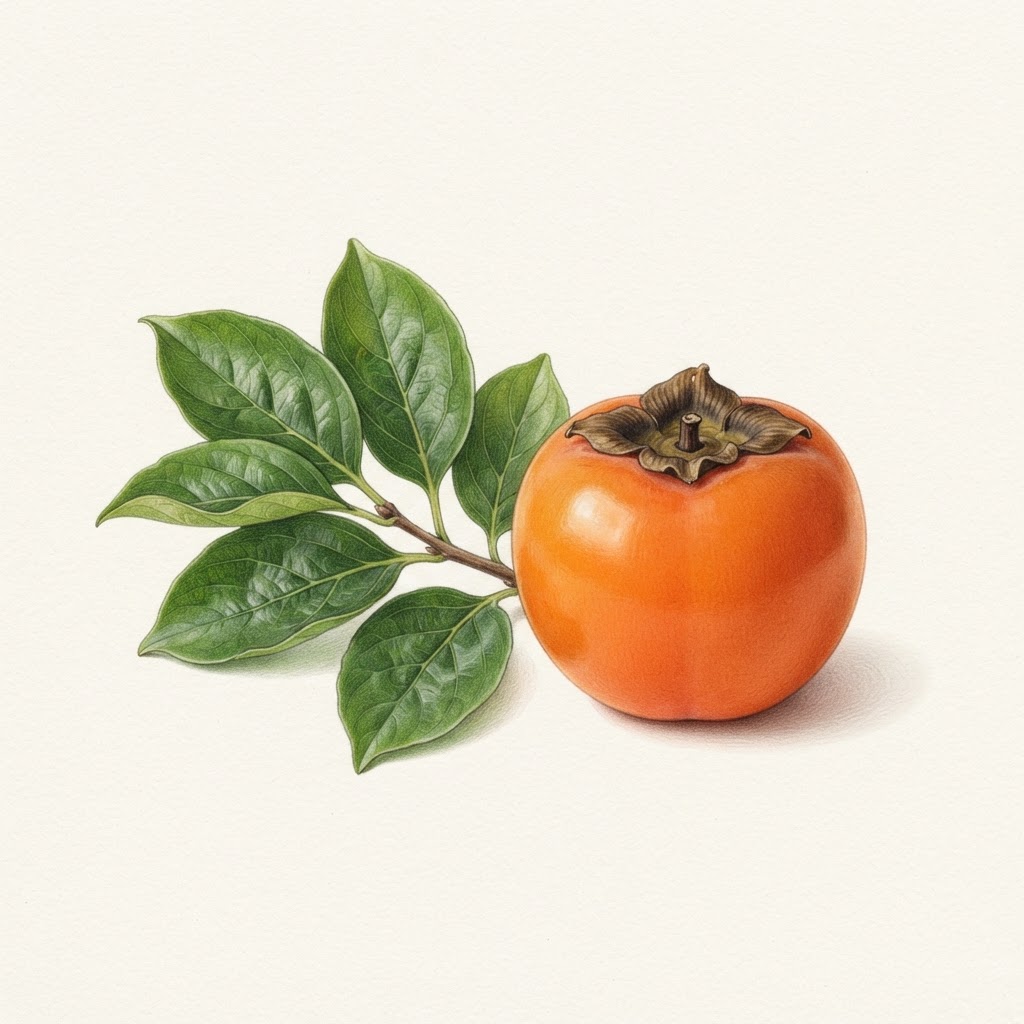
감잎gamnip
Persimmon Leaf
INCI name: Diospyros Kaki Leaf Extract
The leaf of the Korean persimmon tree, long drunk as a tea and now used in Korean skincare for its leaf polyphenols.
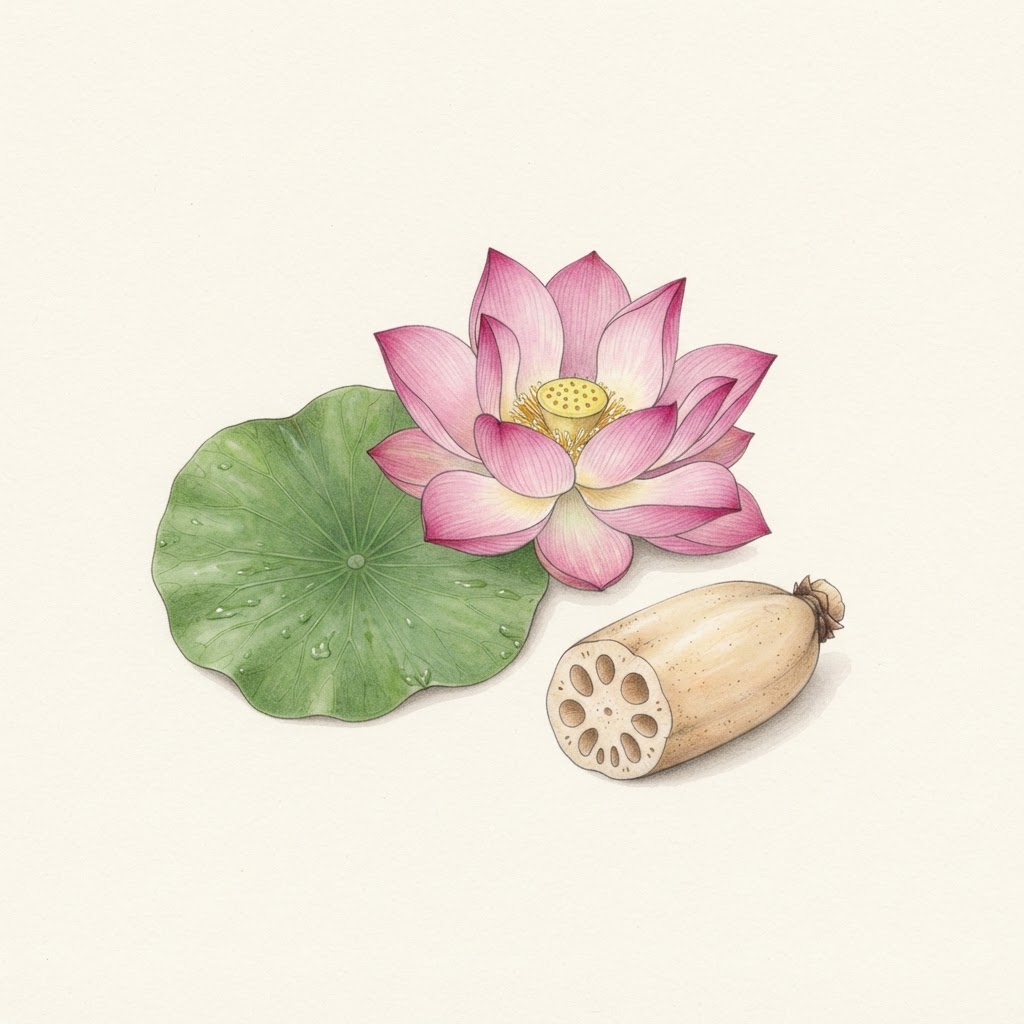
연꽃yeonkkot
Lotus
INCI name: Nelumbo Nucifera Flower Extract
A plant woven through Korean culture and cooking, whose flower, leaf and root are now also used in modern Korean skincare.
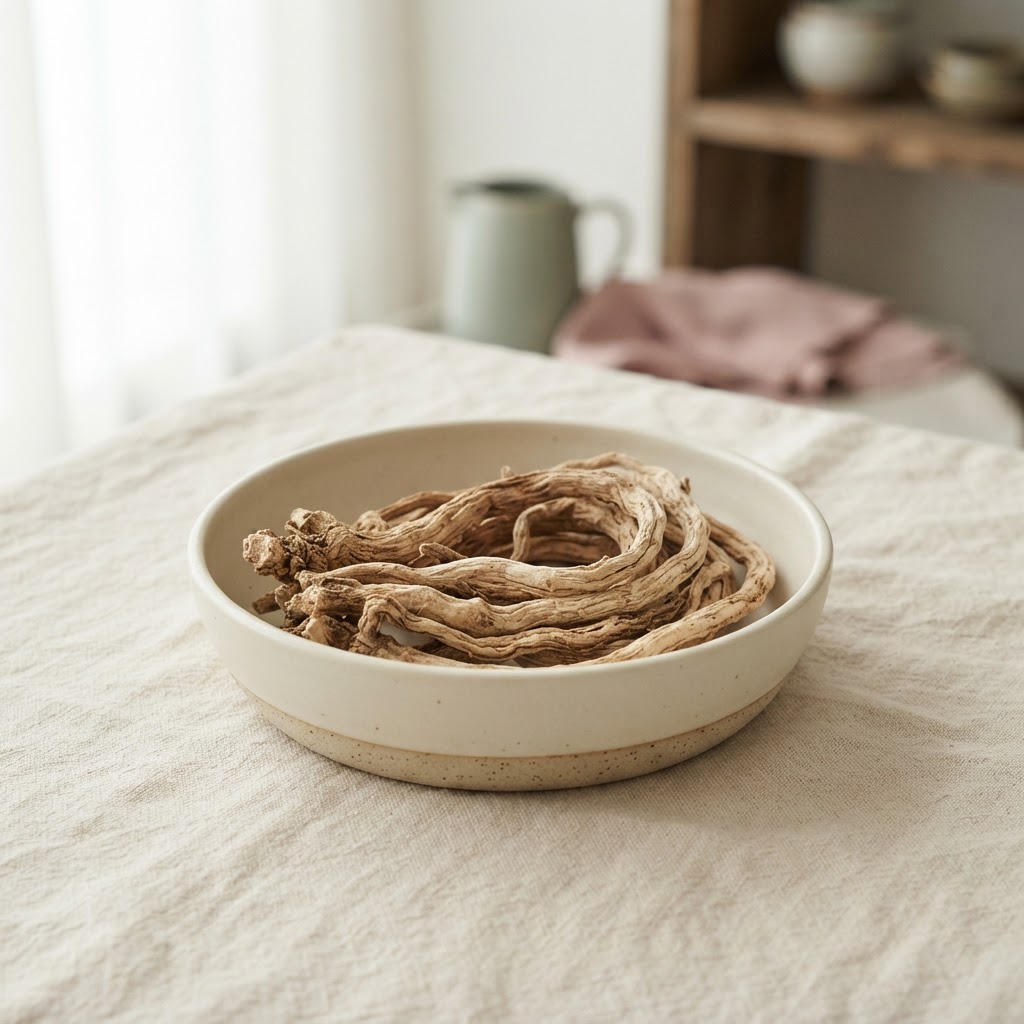
도라지doraji
Balloon Flower Root
INCI name: Platycodon Grandiflorus Root Extract
A Korean food and tea root whose saponins have been investigated in the laboratory, included for its documented place in Korean daily life rather than for a proven cosmetic effect.
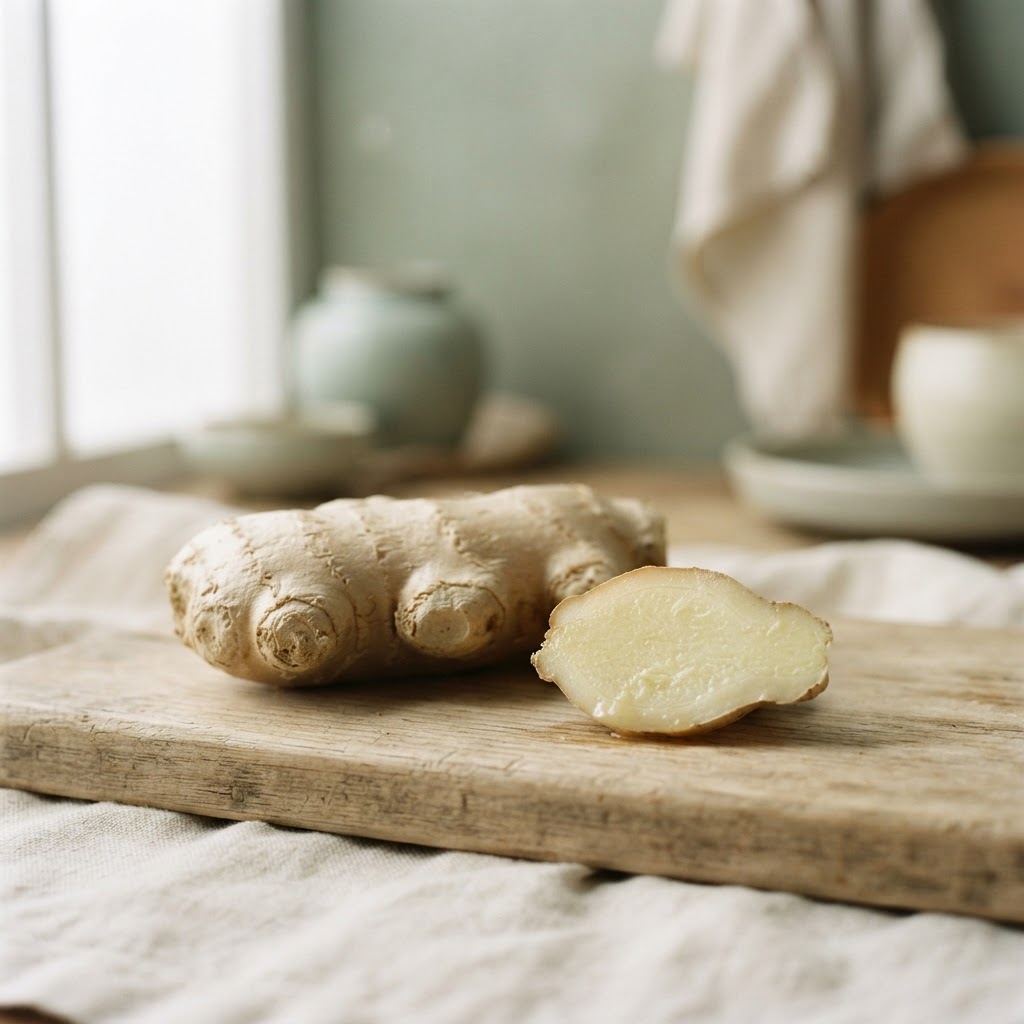
생강saenggang
Ginger
INCI name: Zingiber Officinale (Ginger) Root Extract
A warming Korean kitchen and tea staple whose pungent compounds have been investigated, included for its documented place in Korean daily life rather than for a proven cosmetic effect.
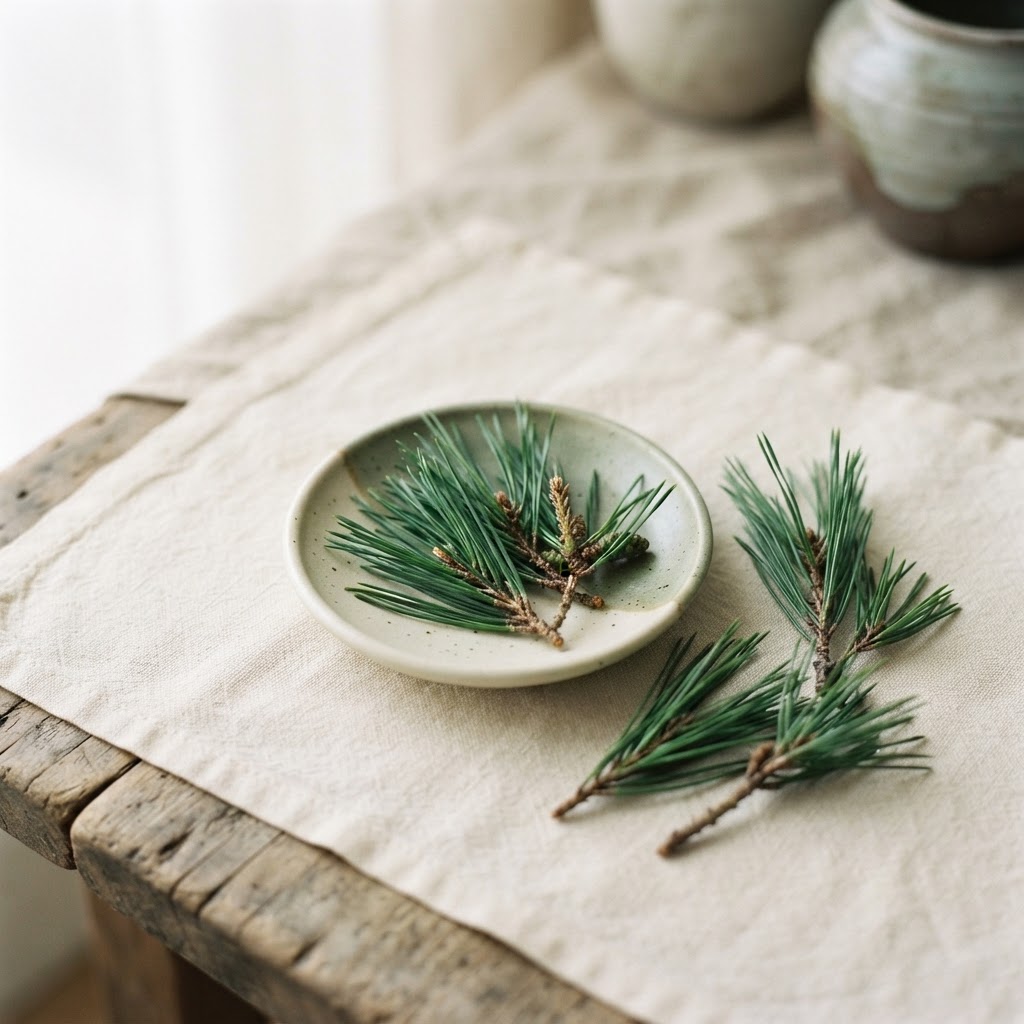
솔잎solip
Pine Needle
INCI name: Pinus Densiflora Leaf Extract
A pine whose needles have a documented place in Korean household practice, including hair washing, and which carries a real resin-allergy caution.
Tea
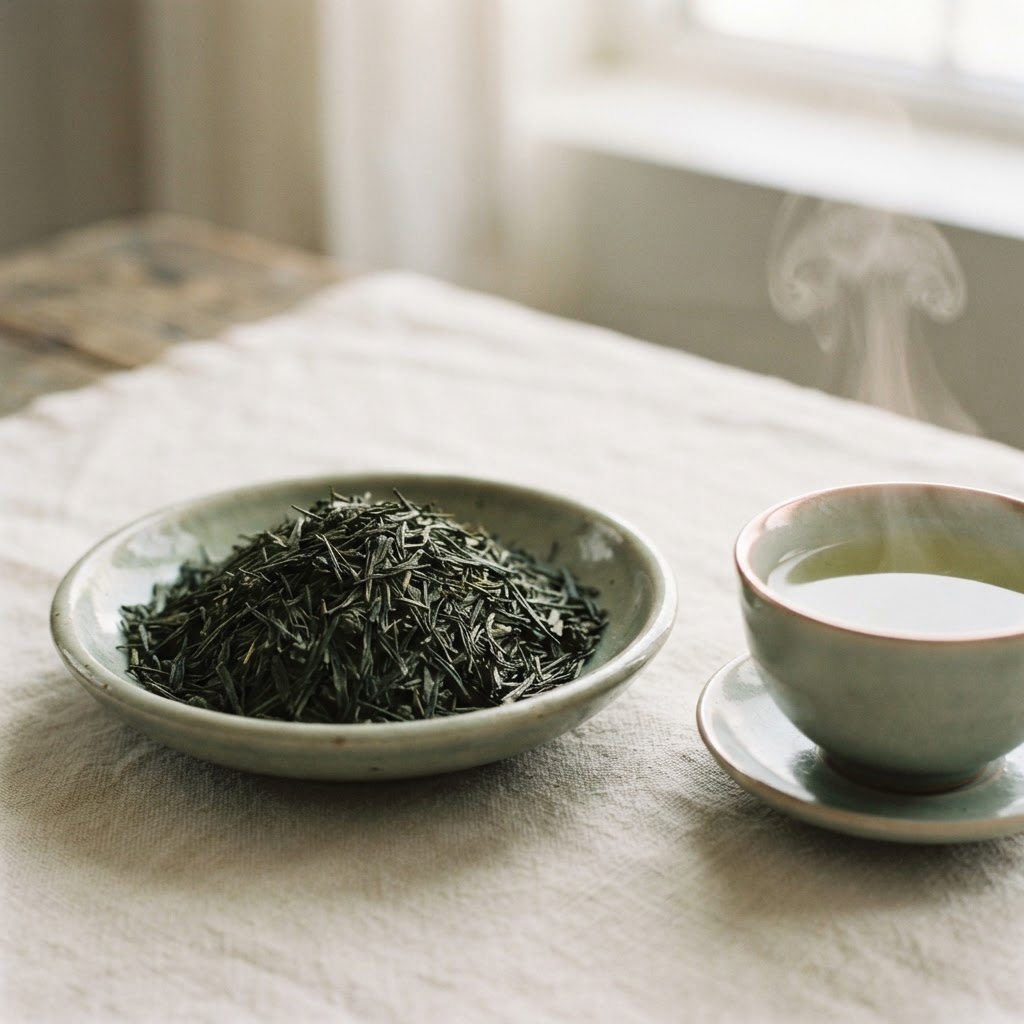
녹차nokcha
Green Tea
INCI name: Camellia Sinensis Leaf Extract
The tea leaf of Korean daily life, and a studied antioxidant cosmetic ingredient.
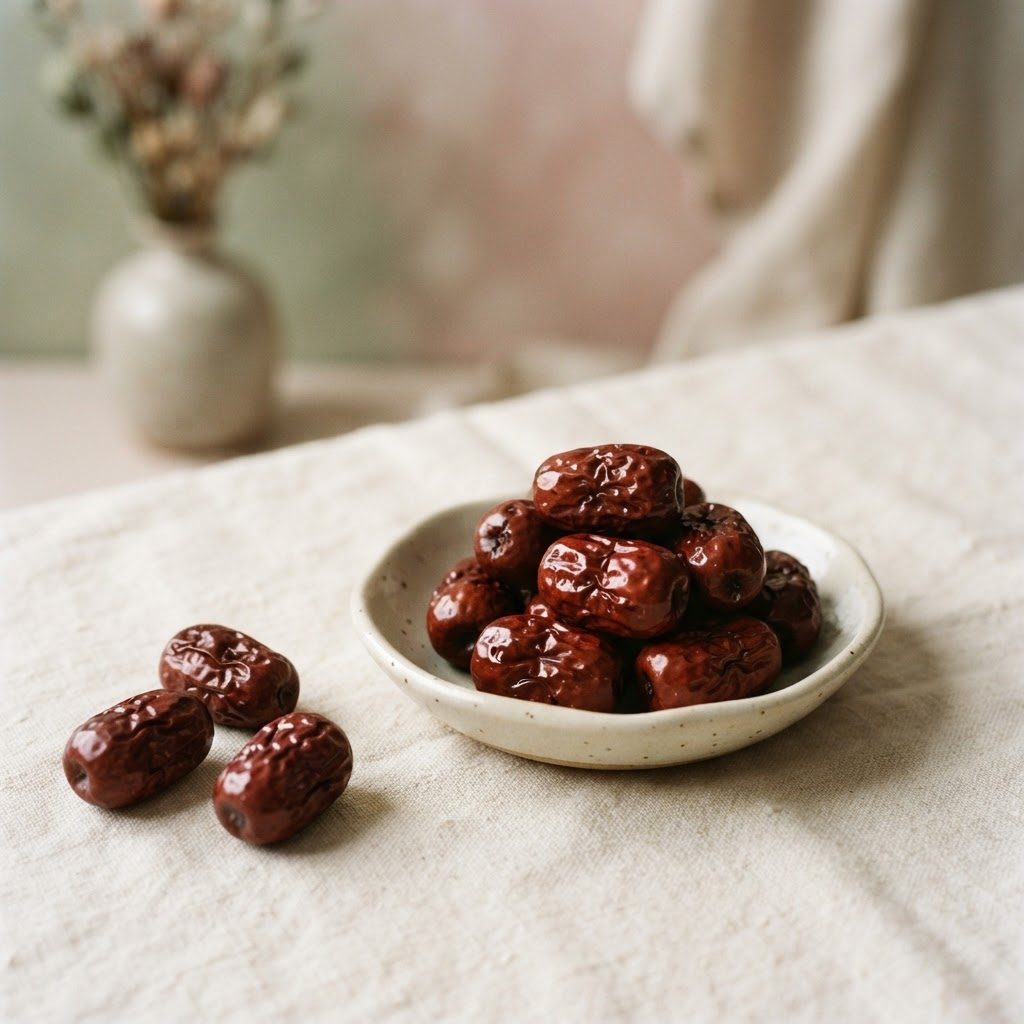
대추daechu
Jujube
INCI name: Ziziphus Jujuba Fruit Extract
A small red date that is a familiar Korean tea and food ingredient, included for its documented cultural place rather than for an established cosmetic effect.
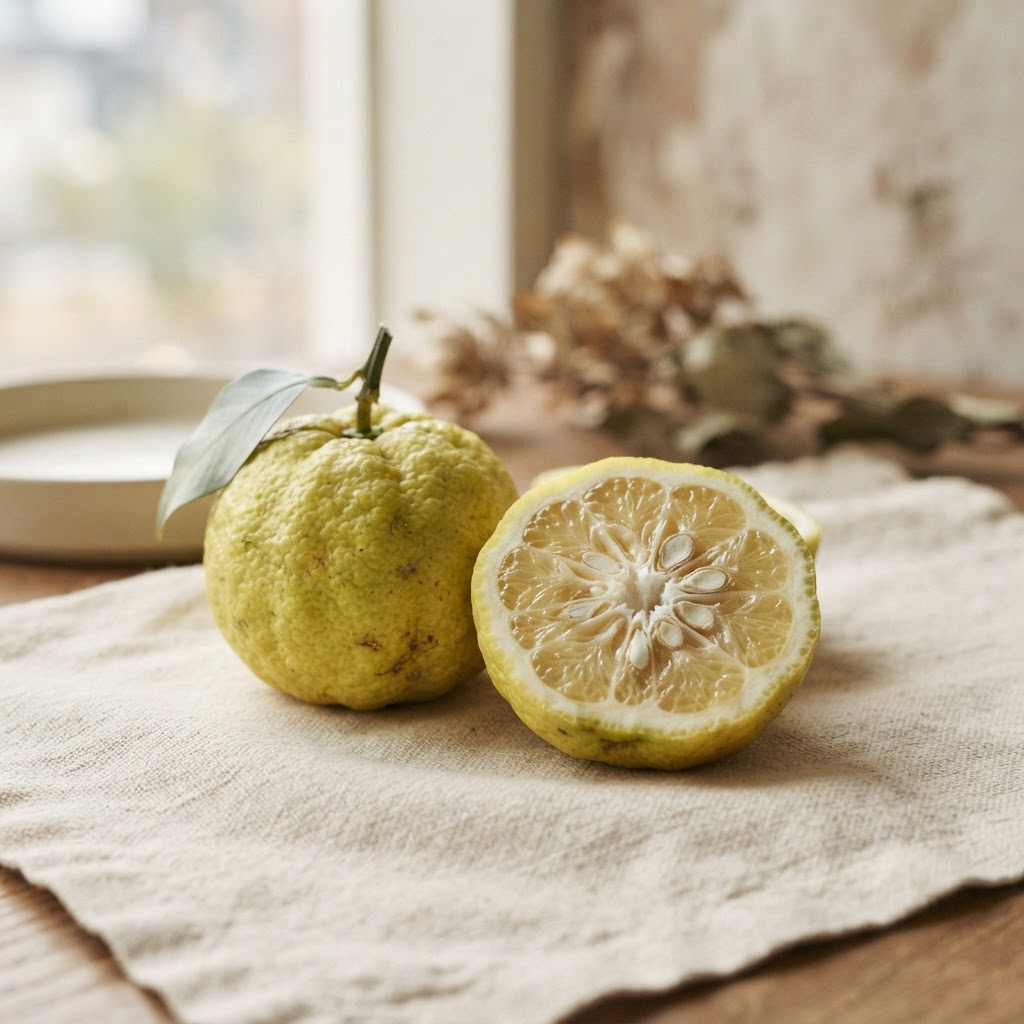
유자yuja
Yuja (Citron)
INCI name: Citrus Junos Fruit Extract
A Korean citrus used for tea and household preparations, with a documented culinary tradition and a real handling caution because its peel oils can photosensitise skin.
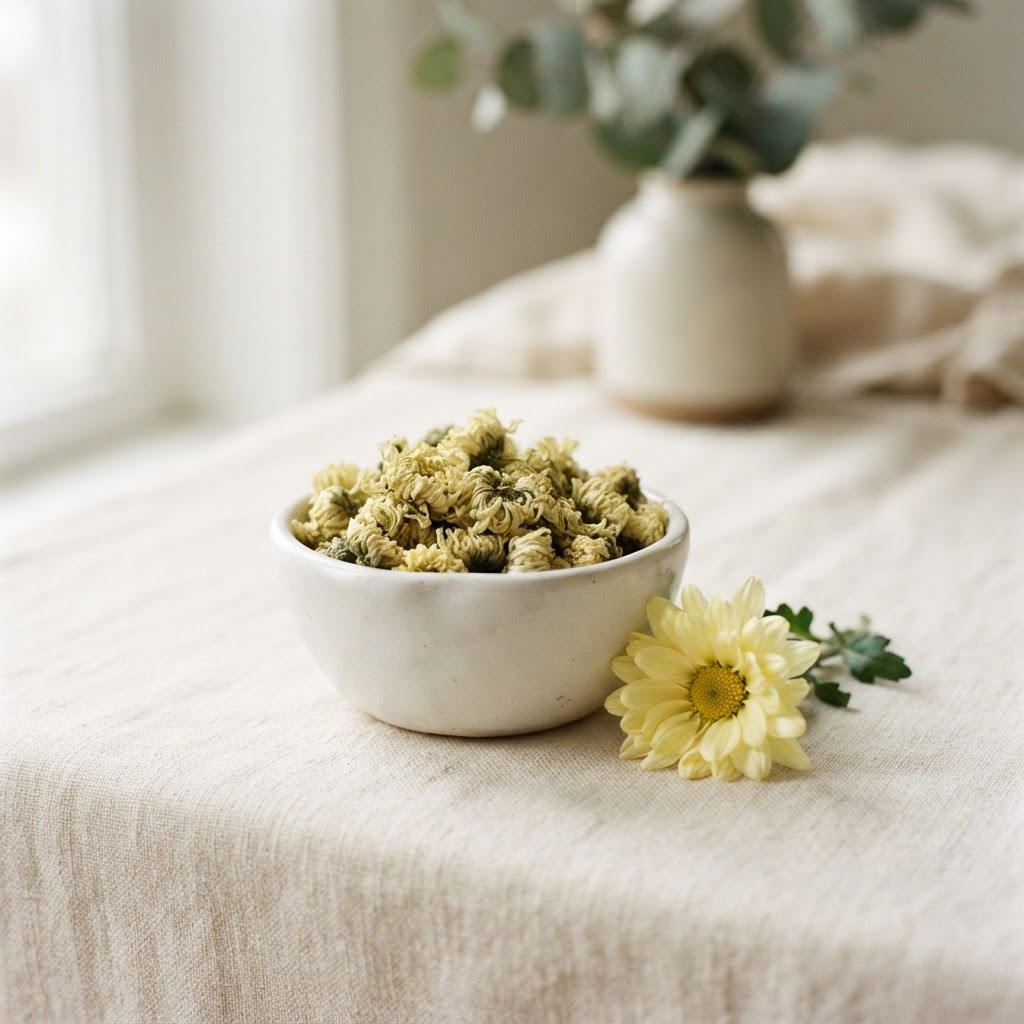
국화gukhwa
Chrysanthemum
INCI name: Chrysanthemum Morifolium Flower Extract
A Korean tea flower with a long documented household tradition and a genuine allergy caution, because chrysanthemum belongs to a family of well-known contact allergens.
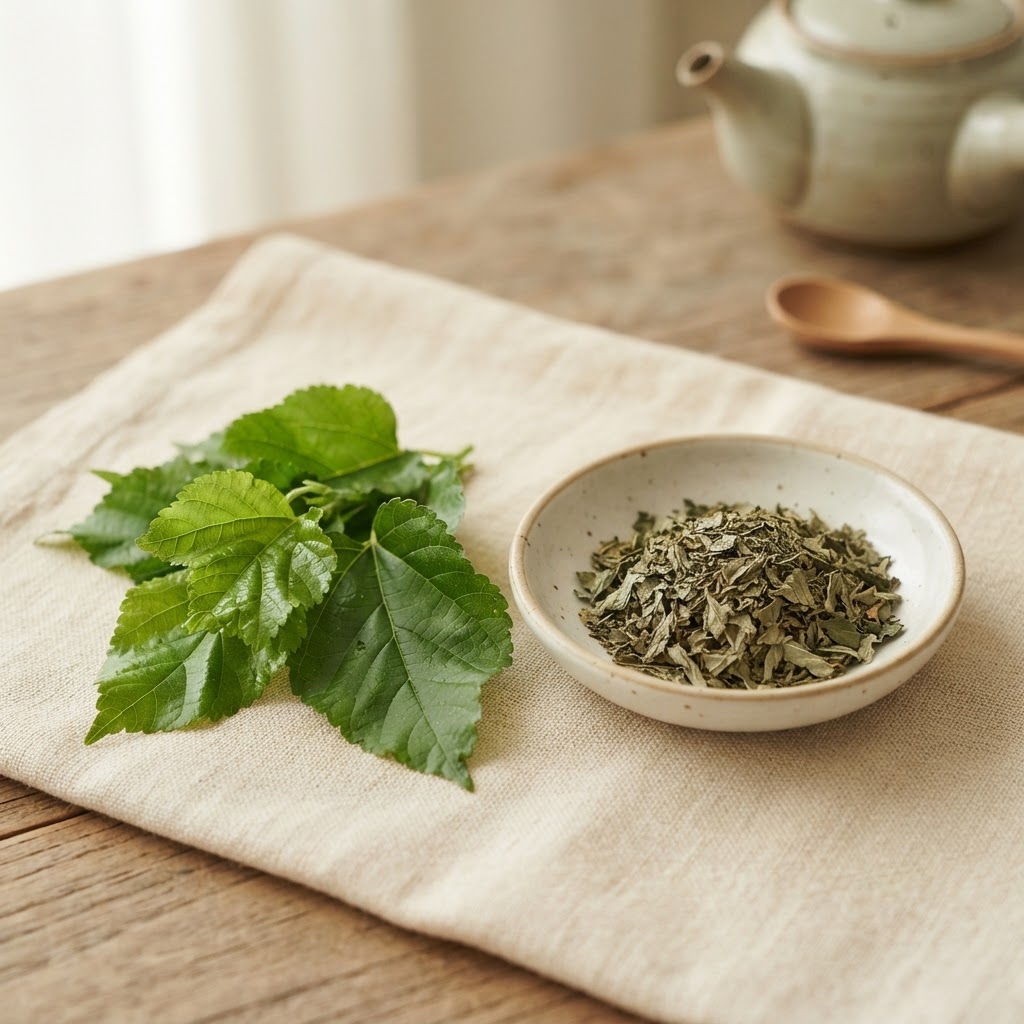
뽕잎ppongip
Mulberry Leaf
INCI name: Morus Alba Leaf Extract
A Korean tea and food leaf whose constituents are being investigated for tone-related cosmetic application, recorded for its documented cultural place rather than as an established lightening ingredient.
Oil
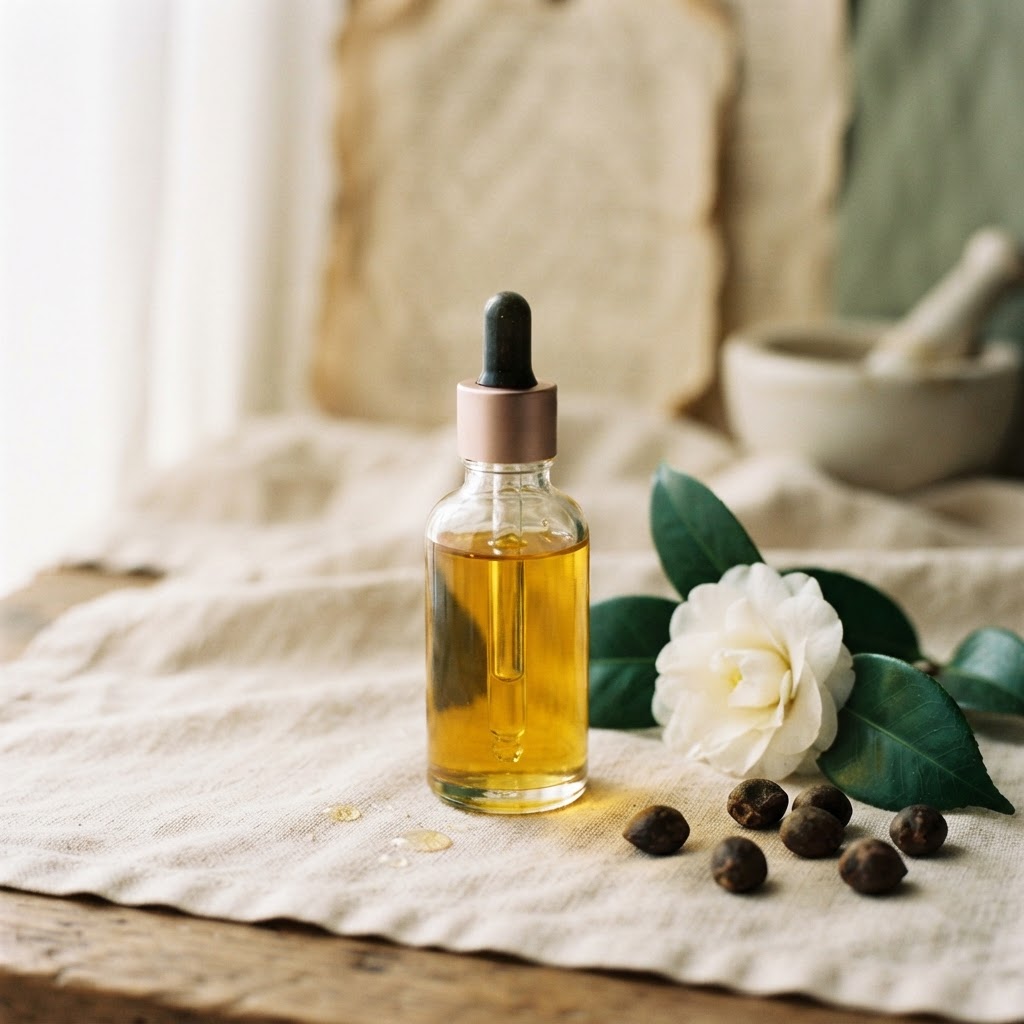
동백오일dongbaek oil
Camellia Oil
INCI name: Camellia Japonica Seed Oil
The seed oil of the camellia, associated with East Asian hair and skin practice, including Korea.
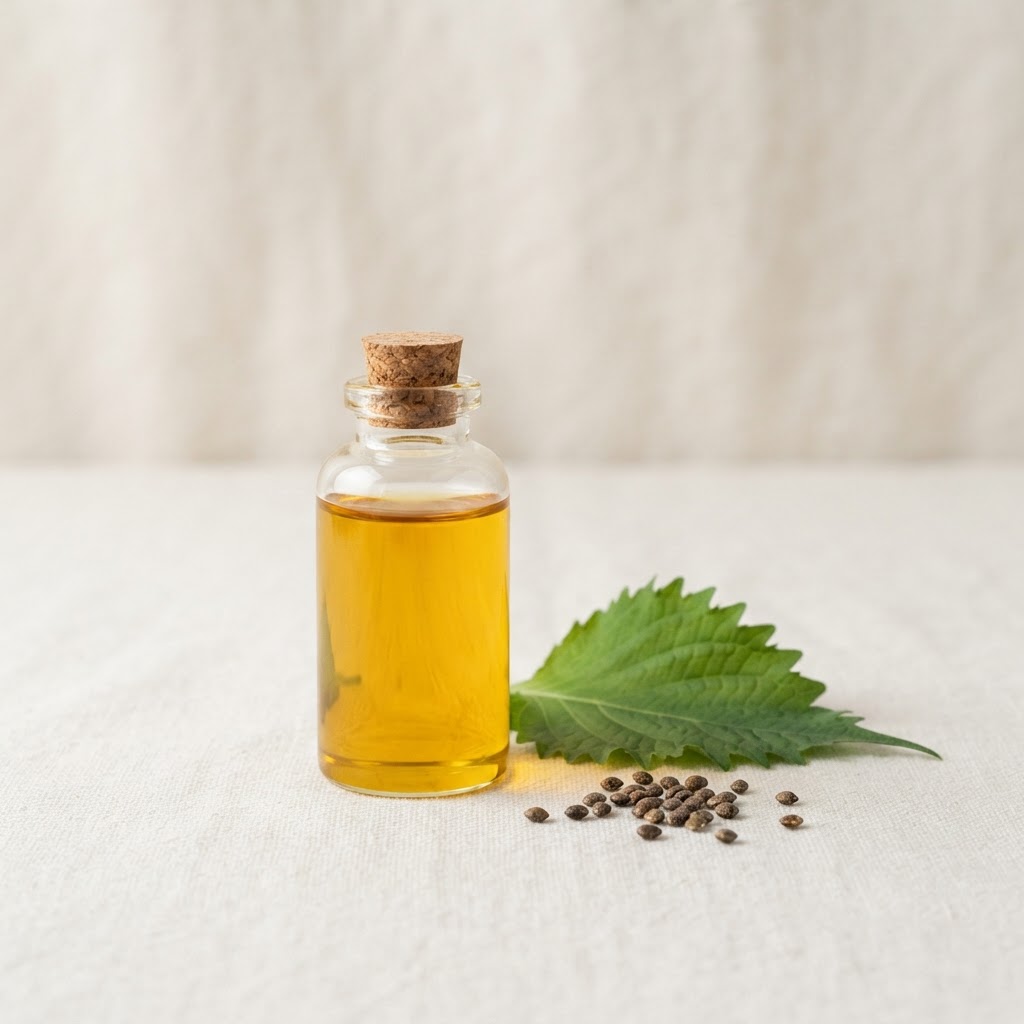
들기름deulgireum
Perilla Seed Oil
INCI name: Perilla Frutescens Seed Oil
A pressed Korean household oil from perilla seeds, long used in cooking and kept at home as a softening oil for skin and hair.
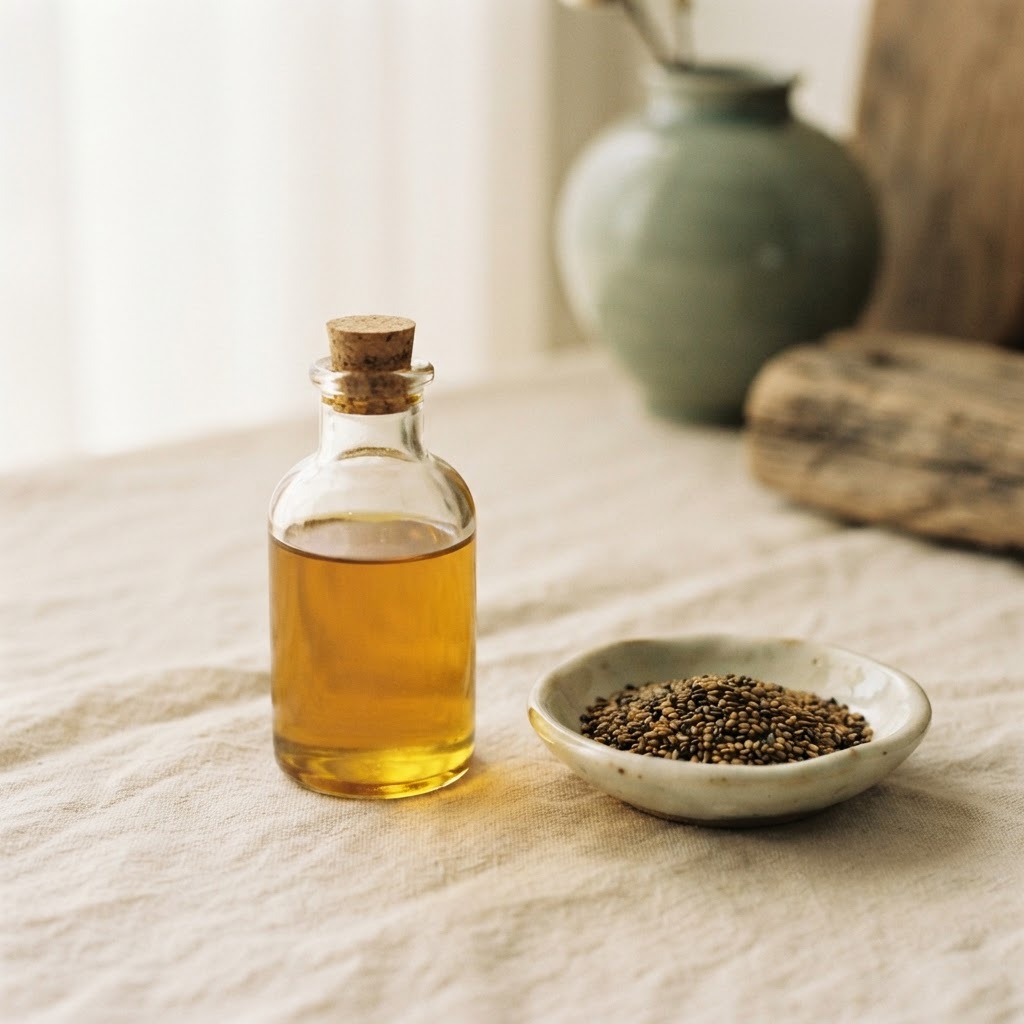
참깨chamkkae
Sesame Seed Oil
INCI name: Sesamum Indicum (Sesame) Seed Oil
A pressed seed oil that is a Korean kitchen staple and also a documented household hair and skin oil, with the allergy caution its seed genuinely carries.
Modern cosmetic ingredient
18 Ingredients shown
Humectant
히알루론산hialluronsan
Hyaluronic Acid
INCI name: Sodium Hyaluronate
A water-binding humectant and one of the best characterised moisturising materials in modern formulation, though its visible plumping effect is temporary.
글리세린geulliserin
Glycerin
INCI name: Glycerin
The most widely used humectant in cosmetics and one of the best characterised: it binds water, and its moisturising role is established rather than promised.
베타글루칸betageullukan
Beta-Glucan
INCI name: Beta-Glucan
A polysaccharide used for its calming and water-holding feel, whose evidence comes mostly from other applications rather than from cosmetic skin trials.
폴리글루탐산polligeullutamsan
Sodium Polyglutamate (Polyglutamic Acid)
INCI name: Sodium Polyglutamate
A fermentation-derived polypeptide humectant that holds water on the surface in a light film, with promising rather than established evidence for its cosmetic role.
트레할로스teurehalloseu
Trehalose
INCI name: Trehalose
A small sugar humectant with an excellent scientific record in preserving cells, which is a different claim from hydrating skin, so its cosmetic positions are kept modest.
Lipid
세라마이드seramaideu
Ceramides
INCI name: Ceramide NP
Skin-identical barrier lipids and the best-evidenced barrier ingredient class in modern formulation, usually presented in a lipid blend rather than alone.
스쿠알란seukuallan
Squalane
INCI name: Squalane
A stable, skin-compatible emollient that softens the skin and reduces water loss, widely used in contemporary Korean skincare and makeup.
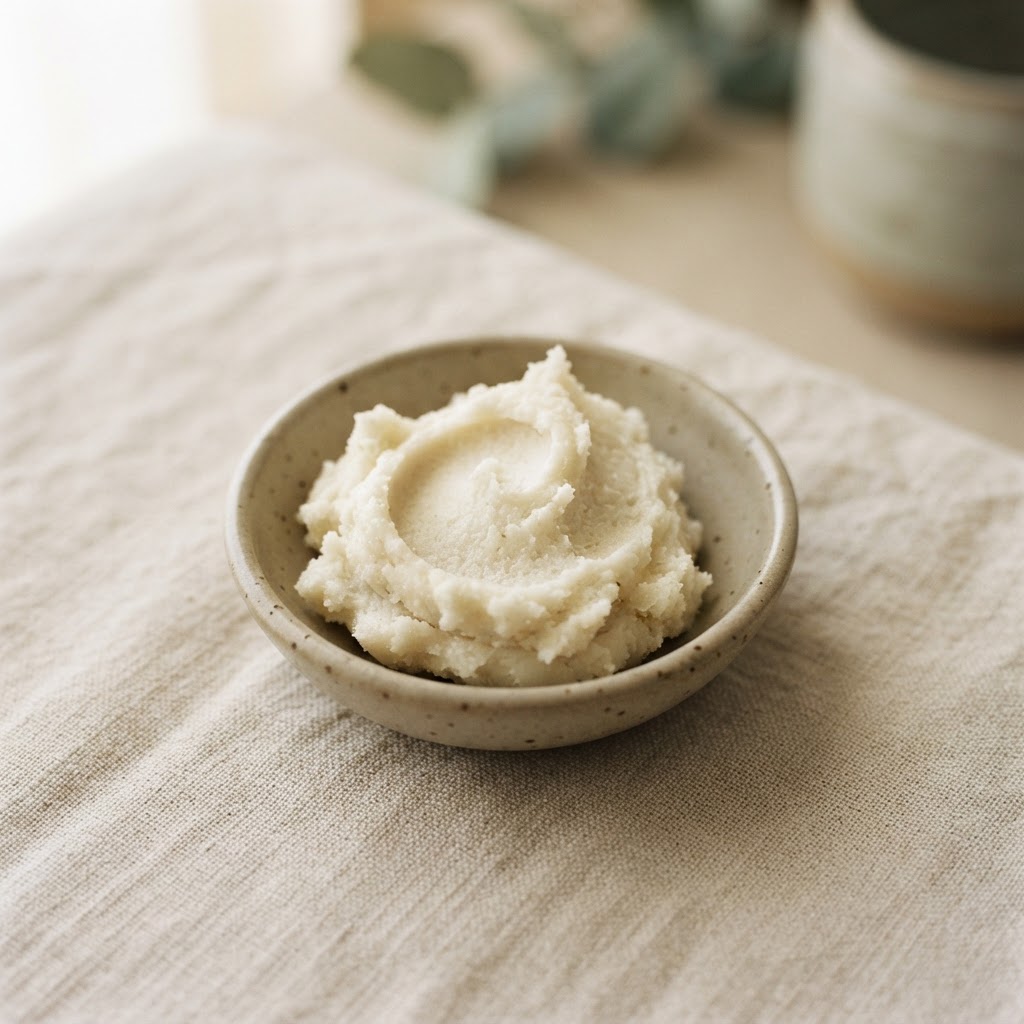
시어버터sieobeoteo
Shea Butter
INCI name: Butyrospermum Parkii (Shea) Butter
A rich plant butter that is one of the best characterised emollients, widely used in creams and balms, and best understood as a softening and water-loss-limiting material rather than a treatment.
Vitamin
나이아신아마이드niasinamaideu
Niacinamide
INCI name: Niacinamide
Vitamin B3: one of the most widely used cosmetic actives in contemporary Korean formulation, with the strongest human evidence behind its barrier support.
판테놀pantelol
Panthenol
INCI name: Panthenol
Provitamin B5, a well-established moisturising and calming ingredient that appears throughout contemporary Korean skincare.
토코페롤tokoperol
Tocopherol (Vitamin E)
INCI name: Tocopherol
Vitamin E: an emollient and a formulation antioxidant whose role is well characterised, but whose reputation as a wrinkle treatment is not supported by the evidence.
에틸아스코빅애씨드etilasikobig-aessideu
3-O-Ethyl Ascorbic Acid (Vitamin C derivative)
INCI name: 3-O-Ethyl Ascorbic Acid
A stabilised vitamin C derivative used for tone-focused routines, with a promising rather than established position because the evidence belongs to this specific derivative.
Proposed educational recipes, not clinically tested formulations. Nothing here is claimed to have been used in ancient Korea, to be clinically proven, dermatologist tested, or safe for every user. · EN